Introduction
So you built a mobile app. Congratulations! But here comes the real question. Is it actually working?
Many startup founders launch their apps and then hope for the best.
They check downloads once in a while. They feel good when numbers go up. Yet they have no clue whether their app is making money or burning it.
The mobile application market size tells an interesting story. It has grown from $277.02 billion in 2024 to $313.88 billion in 2025. That is a compound annual growth rate of 13.3%.
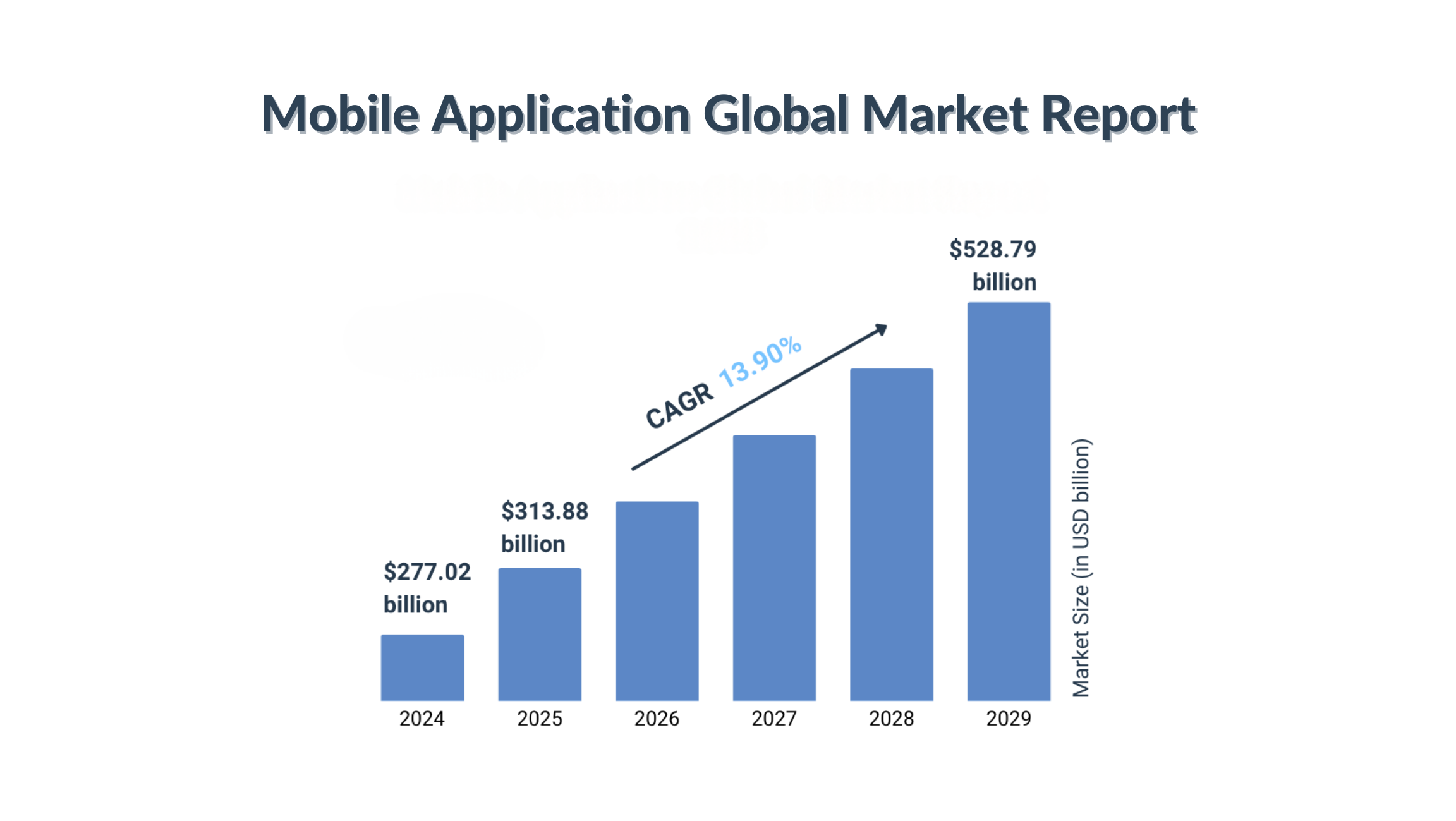
The opportunity is massive and it keeps expanding every single year.
But here is the truth nobody talks about. Most apps fail. Not because they are bad. They fail because founders never learn what are mobile app metrics and how to use them properly.
| Year | Market Size | Growth |
| 2024 | $277.02 billion | – |
| 2025 | $313.88 billion | 13.3% CAGR |
| 2026 | Projected $355+ billion | Continued growth |
New founders often launch an app with hope. Yet hope is not a plan. You need clear ways to check mobile app performance metrics and understand what those numbers mean.
Some numbers show how fast your idea grows. Some numbers show how people behave inside your app. Some numbers warn you when something feels slow or broken.
These numbers are called mobile app metrics or mobile application KPIs and they guide every smart choice.
2026 will reward the startups that understand app KPIs and use them in a simple steady way.
The good news is that you do not need to be technical to read these signs. You only need to know what to look for.
When you learn the right metrics for apps, you start to see your product in a new light. You see what works. You see what fails.
You also see where to improve so your app can grow in a healthy way.

This guide walks you through the most important mobile app metrics to track. It keeps things simple so you can focus on what truly matters for your return on investment.
You will learn:
- What mobile application metrics actually mean
- Which app KPIs matter most for startups
- How to measure mobile app performance the right way
- Tools that make tracking success easier
- Mistakes that kill apps silently
Whether you have a B2B app, a fitness tracker app, or a dating platform, the fundamentals remain the same. Numbers do not lie. And once you understand them, your startup gains an unfair advantage.
Let us explore how these app performance metrics turn raw data into real startup strength.
What Are Mobile App Metrics and Why Should You Care?

Let us start with the basics.
What are mobile app metrics exactly? They are numbers that tell you how your app is performing.
Simple as that. These numbers reveal user behavior patterns and business outcomes. They show you the complete picture of your app’s health.
Think of app metrics like a health checkup for your startup. Your doctor checks blood pressure and heart rate and cholesterol levels.
Each test reveals something specific. Similarly mobile application metrics reveal specific truths about your app.
Some truths are encouraging. Others are harsh. But all of them are useful.
Breaking Down the Basics
Metrics for apps fall into different categories. Each category serves a unique purpose. Here is a simple breakdown:
| Category | What It Measures | Why It Matters |
| Acquisition | How users find your app | Shows marketing effectiveness |
| Engagement | How users interact with your app | Reveals stickiness and value |
| Retention | How many users come back | Indicates long-term success |
| Revenue | How much money you make | Proves business viability |
| Performance | How well your app runs | Impacts user satisfaction |
Mobile apps metrics are not just random numbers on a screen. They are signals. Each signal tells a story. And smart founders listen carefully to these stories.
Why Should Beginners Care About Application Metrics?
Here is a scenario. You launch your app next month. Downloads start coming in. You feel excited! But then something strange happens.
Users download. Users open once. Users disappear.
What went wrong? Without app analytics metrics you will never know. Maybe your onboarding confused people. Maybe the app crashed on certain phones. Maybe users simply got bored after two minutes.
Mobile app analytics metrics answer these questions. They remove the guesswork entirely.
The Difference Between Vanity and Value
Not all metrics for mobile apps are created equal. Some look impressive but mean nothing. Others seem boring but drive real decisions.
Vanity metrics include:
- Total downloads (without context)
- Social media followers
- Page views alone
- App store ranking
Valuable metrics include:
- Daily active users
- Session duration
- Conversion rates
- Customer lifetime value
- Churn rate
See the difference? Vanity metrics make you feel good at parties. Valuable mobile application metrics make you money in boardrooms.
A top mobile app development company USA always emphasizes this distinction to clients. Because chasing wrong numbers wastes time and budget. Chasing right numbers builds empires.
Real World Example
Imagine two coffee shop apps. Both have 50,000 downloads.
App A Stats:
- 2,000 daily active users
- 8 minute average session
- 40% monthly retention
- $15 average revenue per user
App B Stats:
- 500 daily active users
- 45 second average session
- 5% monthly retention
- $2 average revenue per user
Which app is winning? Obviously App A. But you would never know this by looking at download numbers alone.
Check app metrics properly and the truth becomes crystal clear.
The Foundation of Success Tracking
Understanding what are mobile app metrics is your foundation. Everything else builds on top of this knowledge.
You cannot improve what you cannot measure. And you cannot measure what you do not understand.
Here is what happens when you master the basics:
- You spot problems before they become disasters
- You double down on what actually works
- You stop wasting money on useless features
- You make investors confident with real data
- You build an app users genuinely love
Metric tracking separates successful startups from failed experiments. One group guesses. The other group knows. Which group do you want to join?
The answer seems obvious. Yet most founders skip this step entirely. They rush to build features. They chase trends. They ignore their dashboard until it is too late.
Do not make that mistake.
Mobile app telemetry gives you eyes inside your product. Use those eyes wisely and your startup gains superpowers. Ignore them and you fly blind into a mountain.
You can also explore deeper ROI insights in this guide: How to Measure ROI for Your Business App in 2025
Quick Summary
| Term | Simple Definition |
| App metrics | Numbers showing app performance |
| Mobile app KPIs | Key metrics tied to business goals |
| App analytics metrics | Data from user behavior analysis |
| Metric tracking | Process of monitoring these numbers |
Now you understand the basics. You know why metrics app tracking matters. You see the difference between vanity and value.
Next we go deeper. We explore the specific mobile app KPIs every startup must track in 2026.
Key Mobile App KPIs Every Startup Must Track
Now we get into the good stuff. The numbers that actually matter.
Mobile app KPIs are not just metrics. They are key performance indicators tied directly to your business goals.
Every startup has different goals. But certain app KPIs remain universal across industries.
Miss these and you miss everything.
Understanding the Difference
Wait. Are mobile app metrics and mobile application KPIs the same thing?
Not exactly. Here is a simple way to think about it:
| Term | Definition | Example |
| Metrics | Any measurable data point | Screen views |
| KPIs | Metrics tied to specific goals | Conversion rate |
All KPIs are metrics. But not all metrics are KPIs. Make sense?
App KPI tracking focuses on what moves the needle. You ignore the noise. You chase the signal. This distinction saves countless hours and thousands of dollars.
The Essential Mobile App KPIs for 2026
Let us break down the app KPIs you absolutely must track. No exceptions. No excuses.
1. Daily Active Users (DAU) and Monthly Active Users (MAU)
These two numbers reveal your app’s heartbeat. DAU shows daily engagement. MAU shows monthly reach. Together they paint a complete picture.
But here is the secret sauce. The ratio between them matters even more.
DAU/MAU Ratio Benchmarks:
| Ratio | What It Means | Industry Example |
| 10-20% | Average engagement | News apps |
| 20-30% | Good engagement | E-commerce apps |
| 30-50% | Strong engagement | Social apps |
| 50%+ | Exceptional engagement | Travel apps |
A leading mobile app development company will tell you this ratio reveals stickiness. High ratio means users cannot stay away. Low ratio means something is broken.
Grow your audience faster with this simple guide: How to Get Your First 1,000 App Users (Startup Guide)
2. Retention Rate
Downloads mean nothing if users vanish. Retention rate shows how many people return after their first visit.
Industry benchmarks look brutal:
- Day 1 retention: 25-30% average
- Day 7 retention: 10-15% average
- Day 30 retention: 5-10% average
Yes. Most apps lose 90% of users within one month. Shocking right?
Mobile app metrics to track must include retention. Without it you are filling a bucket with holes. Water keeps pouring in. Water keeps leaking out. You never get anywhere.
3. Churn Rate
Churn is retention’s evil twin. It measures how many users you lose over time.
The formula is simple:
text
Churn Rate = (Users Lost During Period / Users at Start of Period) x 100
A 5% monthly churn sounds small. But do the math. That means losing nearly half your users in one year. Suddenly 5% feels terrifying.
Metrics for apps must include churn analysis. Fix churn first. Then focus on growth. Otherwise you are running on a treadmill going nowhere.
4. Session Length and Frequency
How long do users stay? How often do they return?
These mobile application KPIs reveal engagement depth. A user opening your app ten times daily for thirty seconds each is different from someone visiting once for twenty minutes.
Neither is necessarily better. It depends on your app type.
Session Benchmarks by Category:
| App Type | Avg Session Length | Ideal Frequency |
| Gaming | 7-10 minutes | Multiple daily |
| Social Media | 5-8 minutes | Multiple daily |
| E-commerce | 3-5 minutes | Weekly |
| Productivity | 2-4 minutes | Daily |
| Finance Apps | 1-2 minutes | Weekly |
Understanding these patterns helps you set realistic goals. A top mobile app development company USA uses these benchmarks when building products for clients.
5. Customer Acquisition Cost (CAC)
How much money do you spend to get one user? This app kpi determines whether your business model works.
CAC includes:
- Advertising spend
- Marketing team salaries
- Agency fees
- Promotional costs
- Influencer payments
Divide total acquisition spend by new users gained. That is your CAC.
Low CAC means efficient marketing. High CAC means trouble ahead. Especially for startups with limited budgets.
6. Customer Lifetime Value (LTV)
LTV answers a critical question. How much money does one user generate over their entire relationship with your app?
Here is why this matters enormously. LTV must exceed CAC. Otherwise you lose money on every single user. More users means more losses. Growth becomes your enemy.
Healthy LTV to CAC Ratios:
| Ratio | Interpretation |
| Below 1:1 | Losing money fast |
| 1:1 to 2:1 | Breaking even barely |
| 3:1 | Healthy sustainable business |
| 5:1+ | Excellent opportunity to scale |
Custom iPhone app development services teams always discuss these ratios during planning phases. Because building an app without understanding unit economics is financial suicide.
7. Conversion Rate
Users take actions inside your app. Some actions matter more than others.
Conversion rate measures how many users complete desired actions:
- Signing up for accounts
- Making purchases
- Subscribing to premium plans
- Sharing content
- Completing onboarding
Every conversion point needs tracking. Every friction point needs fixing.
App metrics to track must prioritize conversion rates. Small improvements here create massive revenue impacts. A 1% conversion increase might mean thousands in extra monthly revenue.
8. Average Revenue Per User (ARPU)
Simple but powerful. Total revenue divided by total users equals ARPU.
This mobile app kpi helps you:
- Compare performance across time periods
- Benchmark against competitors
- Identify high-value user segments
- Plan realistic revenue projections
Android app development Austin teams often use ARPU during client consultations. It grounds conversations in financial reality instead of wishful thinking.
Building Your KPI Dashboard
You cannot track everything. You should not try. Information overload kills decision making.
Instead build a focused dashboard. Here is a starter template:
| KPI Category | Primary Metric | Secondary Metric |
| Acquisition | New Users | CAC |
| Engagement | DAU/MAU Ratio | Session Length |
| Retention | Day 7 Retention | Churn Rate |
| Revenue | LTV | ARPU |
| Conversion | Main Goal Rate | Funnel Drop-offs |
Five categories. Ten metrics total. That is manageable. That is actionable.
Tracking metrics becomes easier with focus. Scattered attention produces scattered results. Concentrated focus produces breakthroughs.
Quick Wins for Startups
Not sure where to begin? Start here:
- Track DAU immediately – Know who shows up daily
- Monitor Day 1 retention – First impressions matter most
- Calculate CAC honestly – Include all real costs
- Measure one conversion – Pick your most important action
- Review weekly – Consistency beats intensity
A top mobile app development company USA recommends these five metrics for every new startup. Master these before adding complexity.
Common KPI Mistakes
Beginners make predictable errors. Avoid these traps:
- Tracking too many KPIs at once
- Ignoring context behind numbers
- Comparing against wrong benchmarks
- Celebrating vanity metrics
- Checking data too infrequently
- Checking data obsessively without action
Balance matters. Key metrics meaning comes from interpretation not just collection. Numbers without context are just numbers. Numbers with context become insights.
The Bottom Line
Mobile app KPIs separate surviving startups from thriving ones. You now know the essential eight. You understand how they connect. You see why each matters.
But knowing is not enough. Implementation is everything.
Next, we explore something exciting. User engagement metrics for apps that drive real growth. Because engaged users become loyal customers. And loyal customers build sustainable businesses.
User Engagement Metrics for Apps That Drive Growth
User engagement metrics for apps reveal how people actually use your product. Downloads mean nothing if users ignore your app after installing it.
Mobile app user engagement metrics include session length and screen views and interaction frequency. These numbers show whether users find real value.
App engagement metrics help you understand stickiness. Select three different ways a business can measure stickiness: DAU/MAU ratio, session frequency, and feature adoption rate.
Digital engagement metrics extend beyond your app. Social shares and reviews matter too.
Engagement metrics for mobile apps separate thriving products from dying ones. Track them religiously.
| Engagement Metric | What It Reveals |
| Session Duration | Value perception |
| Screen Flow | User journey patterns |
| Feature Usage | Product-market fit |
| Return Frequency | Habit strength |
A Flutter mobile application development company builds engagement tracking from day one. Retrofitting analytics later creates unnecessary headaches.
Mobile app engagement metrics drive growth when you act on insights. Numbers alone change nothing. Actions based on numbers change everything.
App Marketing Metrics to Measure Campaign Success
App marketing metrics tell you whether your campaigns actually work. Spending money without tracking results is gambling not marketing.
Mobile marketing metrics include cost per install and click-through rates and conversion rates. Each number reveals campaign effectiveness.
User acquisition metrics show how efficiently you attract new users. High acquisition costs kill startups fast. Low costs create runway for growth.
| Marketing Metric | What It Measures |
| Cost Per Install | Acquisition efficiency |
| Click-Through Rate | Ad effectiveness |
| Conversion Rate | Landing page success |
| Return on Ad Spend | Overall campaign ROI |
App marketing metrics also track channel performance. Which platforms deliver best users? Facebook or Google or apps like TikTok? Data answers these questions clearly.
A top react native development agency recommends tracking attribution carefully. Know exactly where valuable users originate. Then double down on winning channels.
Mobile app tracking connects marketing spend to actual user behavior. Did paid users convert? Did they retain? Did they generate revenue? Without this connection you fly blind.
Smart startups review app marketing metrics weekly. They kill underperforming campaigns quickly. They scale winning campaigns aggressively. Speed matters in competitive markets.
App Performance Metrics: Speed and Stability Matter
App performance metrics measure how smoothly your app runs. Users hate slow apps. They despise crashing apps even more.
Here is the truth. Mobile app performance metrics impact everything else. Engagement drops when apps lag. Retention crashes when apps crash. Marketing wastes money driving users toward broken experiences.
Mobile application performance metrics include load time and crash rate and response speed. Each metric affects user satisfaction directly.
| Performance Metric | Acceptable Benchmark | Poor Performance |
| App Load Time | Under 3 seconds | Over 5 seconds |
| Crash Rate | Below 1% | Above 2% |
| API Response | Under 1 second | Over 3 seconds |
| Battery Usage | Minimal drain | Heavy drain |
How to measure app performance starts with monitoring tools. Firebase Performance and New Relic work great for beginners. Install them early.
Follow these simple steps:
- Set up crash reporting immediately
- Monitor load times across devices
- Track API response speeds
- Test on older phones regularly
- Review performance weekly
Is the measure app accurate depends on proper implementation. Configure tools correctly and trust the data they provide.
A Xamarin mobile app development company prioritizes performance from project start. Fixing performance later costs ten times more than building it right initially.
Mobile app monitoring should never stop. Performance degrades over time. New features add weight. User expectations increase. Continuous monitoring catches problems before users complain.
How to Measure Mobile App Performance Step by Step
How to measure mobile app performance confuses many startup founders. They know it matters but where do they start? This section breaks everything down into simple actionable steps.
How to measure app performance requires the right tools and clear processes. Follow this guide and you will understand your app’s health completely.
Step 1: Set Up Analytics Tools
App measurement begins with proper tool installation. You cannot improve what you cannot measure.
Choose analytics platforms that match your needs:
- Google Analytics for Firebase – Free comprehensive tracking
- Mixpanel – Advanced event analytics
- Amplitude – Product intelligence focus
- AppDynamics – Enterprise performance monitoring
How to use the measure app effectively requires proper SDK integration. Install analytics during app development not after launch. Retrofitting creates technical debt and data gaps.
Step 2: Define Your Success Metrics
What are success metrics for your specific app? Different apps need different measurements.
| App Category | Primary Success Metric | Secondary Metrics |
| E-commerce | Purchase conversion rate | Cart abandonment, ARPU |
| Social Media | DAU/MAU ratio | Session length, shares |
| Gaming | Session duration | Level completion, IAP rate |
| Productivity | Daily active usage | Feature adoption, retention |
| Finance | Transaction frequency | Account linking, balance checks |
Metrics of success align with business goals. Revenue apps track conversion and LTV. Engagement apps track sessions and retention. Know your primary goal first.
Step 3: Implement Event Tracking
Tracking metrics means logging specific user actions. Do not just track screens. Track meaningful events that indicate progress toward goals.
Critical events to track:
- App opens and closes
- Sign-ups and logins
- Core feature usage
- Purchases and subscriptions
- Tutorial completions
- Error occurrences
- Social shares
Metric tracking works best when organized logically. Group related events together. Name them consistently. Document everything clearly.
A leading mobile app development company creates tracking specifications before writing code. This prevents confusion and ensures complete coverage.
Step 4: Monitor Technical Performance
Mobile app performance metrics include both user behavior and technical health. Both matter equally.
Technical metrics to monitor:
- App load time – How fast does your app open?
- Screen render time – How quickly do screens appear?
- API response time – How fast do servers respond?
- Crash rate – How often does your app crash?
- Error rate – How many errors occur?
- Memory usage – Does your app consume too much RAM?
- Battery drain – Does your app kill battery life?
- Network usage – How much data does your app consume?
Mobile application performance metrics reveal problems before users complain. Slow API responses cause frustration. High crash rates destroy trust. Monitor everything continuously.
Android app development Austin specialists emphasize testing on multiple devices. Performance varies dramatically across hardware. What runs smoothly on new iPhones might crawl on budget Android phones.
Step 5: Analyze Mobile App Traffic
Mobile app traffic analysis shows how users flow through your product. Where do they enter? Where do they go? Where do they exit?
Set up funnel analysis for critical user journeys:
Example E-commerce Funnel:
| Step | Typical Drop-off Rate | Red Flag Rate |
| Browse Products | Baseline | – |
| Add to Cart | 60-70% drop | 80%+ drop |
| Start Checkout | 20-30% drop | 50%+ drop |
| Complete Purchase | 10-20% drop | 40%+ drop |
Analyze mobile app stats at each funnel stage. High drop-offs indicate friction points needing fixes.
Screen flow analysis reveals actual user paths. Users rarely follow your intended journey. They explore sideways. They jump backward. They abandon randomly. Understanding real behavior beats assuming ideal behavior.
Step 6: Check App Metrics Regularly
Check app metrics on consistent schedules. Daily reviews catch immediate problems. Weekly reviews reveal trends. Monthly reviews guide strategic decisions.
Create dashboards showing key metrics at a glance:
Recommended Dashboard Layout:
- Top Section – Current DAU, MAU, retention rate
- Middle Section – Revenue, conversion rate, ARPU
- Bottom Section – Crash rate, load time, error count
App metrics checker tools automate monitoring. Set alerts for concerning changes. Crash rate spikes deserve immediate attention. Sudden retention drops require investigation.
A custom iPhone app development services team builds custom dashboards matching client priorities. Generic dashboards work initially. Custom dashboards work better long-term.
Step 7: Benchmark Against Standards
Tracking success requires comparison points. Are your numbers good or bad? Industry benchmarks provide context.
General App Performance Benchmarks:
| Metric | Good | Average | Poor |
| Day 1 Retention | 40%+ | 25-40% | Below 25% |
| Day 7 Retention | 20%+ | 10-20% | Below 10% |
| Crash Rate | Under 0.5% | 0.5-2% | Above 2% |
| Load Time | Under 2s | 2-4s | Above 4s |
Success tracking improves when you know your position relative to competitors. Below average numbers signal problems. Above average numbers indicate strengths.
Step 8: Take Action on Insights
Metric mobile app data means nothing without action. Many startups collect mountains of data but change nothing. Do not make this mistake.
Create action loops:
- Review metrics – Check data weekly
- Identify issues – Spot concerning patterns
- Form hypotheses – Why are numbers changing?
- Run experiments – Test potential solutions
- Measure results – Did changes work?
- Iterate constantly – Repeat the cycle
App user tracking reveals what users do. Experiments reveal what improves outcomes. Combine both for maximum impact.
Common Measurement Mistakes to Avoid
Even experienced founders make tracking errors. Avoid these common pitfalls:
- Tracking too much – Focus beats overload
- Tracking too little – Blind spots create surprises
- Ignoring context – Numbers need interpretation
- Acting too slowly – Problems compound over time
- Changing too much – Test one variable at a time
App engagement analytics require discipline. Patience. Consistency. Quick wins are rare. Sustainable growth takes time and systematic effort.
Metrics for mobile apps become powerful assets when measured correctly. They guide decisions. They prevent mistakes. They accelerate growth. Master measurement and you master startup success.
App Growth Metrics and Scaling Your Startup
App growth metrics show whether your startup is expanding or stagnating. Growth separates winners from losers in competitive markets.
App scaling requires monitoring user acquisition velocity and revenue growth rate. Are new users increasing monthly? Is revenue climbing consistently?
Scaling app infrastructure becomes critical as usage grows. Performance suffers when servers cannot handle traffic spikes.
| Growth Stage | Focus Metrics |
| Early Stage | User acquisition, product-market fit |
| Growth Stage | Retention, viral coefficient |
| Scale Stage | LTV/CAC ratio, unit economics |
Metric tracking must evolve as you grow. Early-stage metrics differ from scale-stage priorities. Adjust focus accordingly.
Best Tools to Check App Metrics in 2026
Check app metrics efficiently with proper tools. Manual tracking wastes time and misses critical insights.
App metrics checker platforms automate data collection and visualization. Choose tools matching your budget and technical expertise.
Top analytics tools for 2026:
| Tool | Best For | Pricing |
| Firebase Analytics | Beginners, free solution | Free |
| Mixpanel | Event tracking, funnels | Freemium |
| Amplitude | Product analytics | Freemium |
| AppDynamics | Performance monitoring | Enterprise |
| CleverTap | Engagement automation | Paid |
Mobile app insights platforms like Sensor Tower and App Annie track competitive intelligence. See how rivals perform. Benchmark your progress against theirs.
App metrics to track become easier with integrated dashboards. Firebase combines analytics with crash reporting and performance monitoring. Everything lives in one place.
A top mobile app development company USA implements analytics during initial development. Starting right prevents costly fixes later.
Metrics applications should send alerts when numbers spike or drop unexpectedly. Automated warnings catch problems before they escalate.
How a Top Mobile App Development Company USA Helps With Success Tracking
Success tracking becomes easier when you work with experienced development partners. Building apps is one thing. Building measurable apps is completely different.
A top mobile app development company USA like Boolean Inc. integrates analytics from project inception. They do not treat metrics as afterthoughts. They build tracking into core architecture.
Boolean Inc. offers comprehensive services covering every platform and technology:
| Services | Technology Focus |
| Custom iPhone app development services | iOS native apps with built-in analytics |
| Android app development Austin | Android apps optimized for performance |
| Top react native development agency | Cross-platform solutions with unified tracking |
| Flutter mobile application development company | Fast beautiful apps with comprehensive metrics |
| Xamarin mobile app development company | Enterprise apps with robust monitoring |
Leading mobile app development company teams like Boolean Inc. understand what are mobile app metrics startups actually need. They configure dashboards showing actionable insights not vanity numbers.
Tracking success requires proper tool selection and implementation. Boolean Inc. recommends platforms matching your specific goals and budget constraints.
Their process includes:
- Analytics strategy planning
- SDK integration and testing
- Custom dashboard creation
- Team training on metrics interpretation
- Ongoing optimization support
App metrics become powerful business assets when implemented correctly. Boolean Inc. ensures you measure what matters from day one.
Conclusion
Tracking success separates thriving startups from failed experiments. You now understand what are mobile app metrics and why they matter desperately.
Mobile application metrics reveal truth about your product. App metrics to track guide every smart decision moving forward.
Metrics for mobile apps transform guesses into certainties and opinions into facts.
Start small, but start today. Pick five core mobile app KPIs from this guide. Implement tracking tools immediately. Review numbers weekly.
Act on insights consistently. What are success metrics for your specific app? Answer this question honestly and measure those numbers religiously.
Growth comes from understanding data and applying lessons learned. Your competitors are measuring everything. You should too. The mobile app market grows bigger every year.
Winners will be founders who track performance relentlessly and optimize continuously. Losers will be those who hope for the best without knowing their actual numbers.
Partner with a top mobile app development company USA like Boolean Inc. if you need expert guidance. Success tracking becomes simpler with experienced partners who have built hundreds of measurable apps.
Stop guessing. Start measuring. Your startup’s future depends on it.
FAQs
- What are mobile app metrics?
Mobile app metrics are signals that show how an app works in real life. They help you understand usage, speed engagement, and growth.
- Why should a startup track mobile application KPIs?
Startups track KPIs because these numbers reveal what helps users stay and what pushes them away. You gain clear insight, and you make better choices.
- What is the best way to measure app performance?
You measure performance by watching load time, crash rate, and responsiveness. These signs show if your app feels smooth or slow.
- How do user engagement metrics help?
They show how active your users are. High engagement means users feel value and they return often.
- Which app growth metrics matter most?
Metrics like new installs, daily active users and retention rate matter most. They show if your audience grows in a healthy, steady way.